
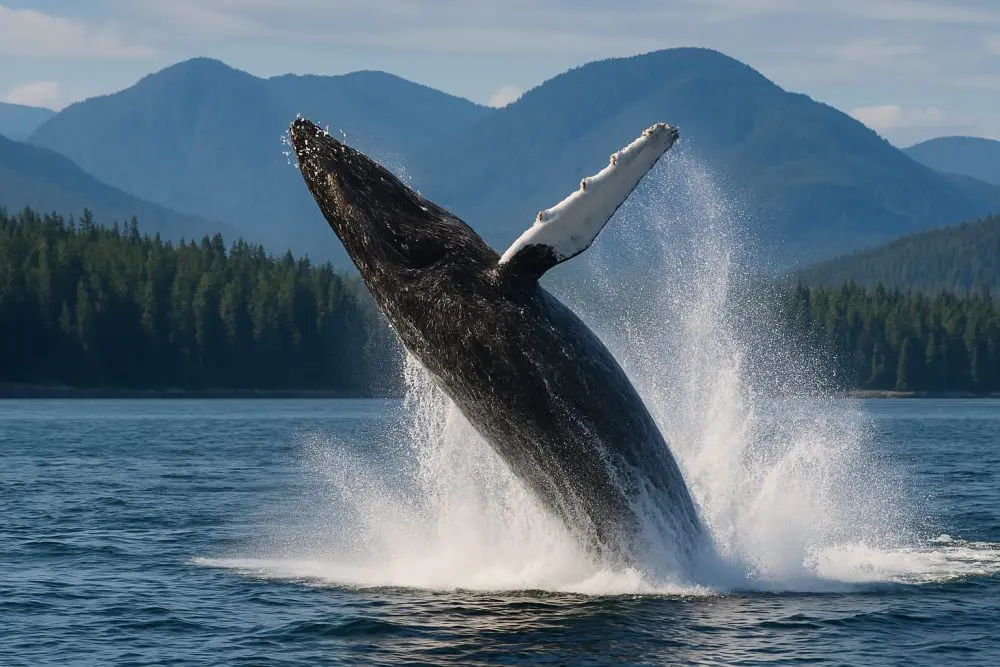
Imagine the thrill of spotting a giant orca slicing through the waves or witnessing a humpback whale’s majestic breach against a backdrop of serene Canadian waters. Whale watching in Canada offers such captivating experiences, drawing nature enthusiasts from around the world to its coasts. The expansive northern waters are home to some of the most diverse and vibrant marine life, boasting a range of whale species from the looming blue whale to the unicorn-like narwhal.
On the west coast, places like Vancouver Island and Tofino provide prime opportunities to watch orcas and humpbacks frolic in their natural habitat. Meanwhile, on the eastern shores, Newfoundland and Labrador offer sightings of minke and beluga whales, combined with a stunning oceanic landscape. Beyond pure spectacle, locations like the St. Lawrence River in Quebec further enrich these experiences, showcasing the remarkable biodiversity that makes Canada a premier destination for whale enthusiasts.
This article will navigate the top whale watching experiences Canada has to offer, from the Pacific wonders to the Atlantic marvels, and everything in between. We’ll delve into the best times to visit each location, explore sustainable practices to ensure a responsible adventure, and provide practical tips on what to wear and how to make the most of your trip. Whether you’re seeking the excitement of a sunset cruise or the allure of Nunavut’s narwhals, Canada’s coasts promise a whale-watching adventure like no other.
West Coast Wonders: Vancouver Island and Tofino
Vancouver Island on the West Coast is a top spot for whale watching. This area is well-known for sightings of orcas, minke whales, humpbacks, and grey whales. Tofino, on the island’s west coast, is famous for surfing and is a prime location to observe migratory gray whales. Each March, Tofino hosts the Pacific Rim Whale Festival, celebrating the awe-inspiring gray whale migration.
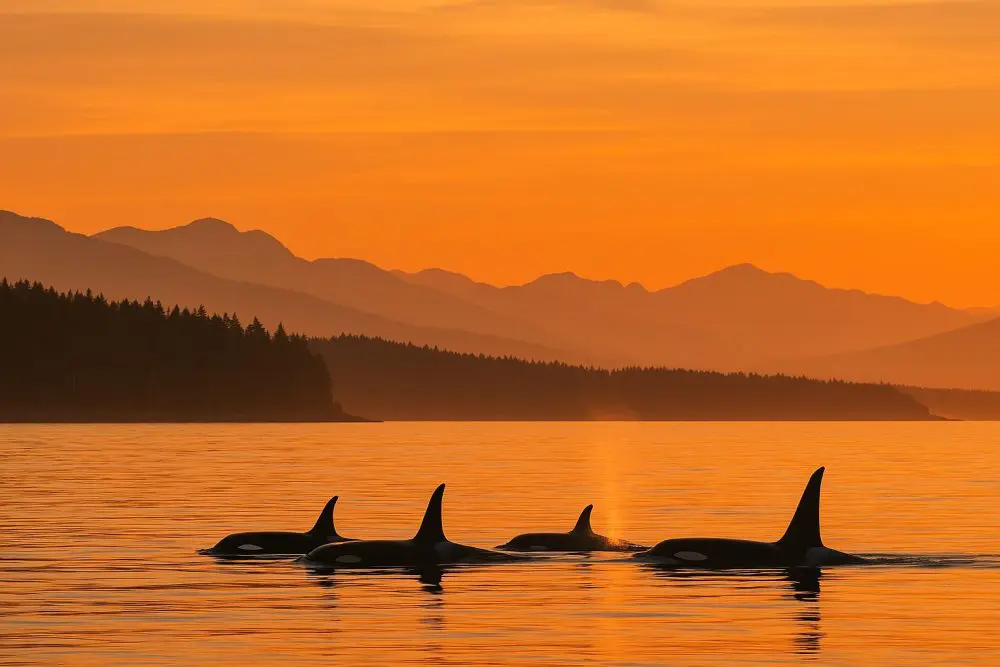
The Salish Sea, nestled between the mainland and Vancouver Island, is a haven for whales. Tours operate from March to October, showcasing these magnificent creatures. Resident orcas thrive year-round in these waters. However, humpbacks and gray whales visit mainly between May and October.
For an exceptional guided experience, Eagle Wing Tours offers expertly led excursions with marine naturalists who provide fascinating insights into the local whale populations.
Here’s a quick list to remember the highlights:
- Vancouver Island: Frequent orca, minke, humpback, and gray whale sightings
- Tofino: Prime spot for viewing gray whales; hosts the Pacific Rim Whale Festival in March
- Salish Sea: Offers whale-watching tours from March to October; home to year-round resident orcas
Experience the unique marine wildlife and breathtaking vistas on Vancouver Island and Tofino—a true gem of the Canadian West Coast. After your whale watching adventure, you might want to check out some of Canada’s creamiest ice cream brands to complete your West Coast experience.
Orcas and Humpbacks: The Stars of British Columbia
British Columbia is a top choice for whale watching, especially for spotting orcas, also known as killer whales. These magnificent marine mammals have a distinct black and white pattern and a noticeable dorsal fin. Their sightings are common near Vancouver and Victoria, making these areas prime locations for whale watching.

Humpback whales are another highlight in British Columbia’s waters. They are typically seen during their migration period from June to October. The humpbacks, with their grand size and acrobatic displays, add excitement to any whale watching tour. High success rates for spotting these giants occur from June to September, which is the peak viewing season.
For those seeking an intimate experience with these majestic creatures, Seasmoke Whale Watching offers smaller group tours that prioritize respectful wildlife viewing while maximizing your chances of incredible encounters.
Here’s a quick view of the seasonal availability:
| Whale Species | Peak Viewing Months |
|---|---|
| Orcas (Killer Whales) | June to September |
| Humpback Whales | June to October |
When in British Columbia, don’t miss the chance to witness orcas and humpbacks in their natural habitats. These unforgettable experiences make British Columbia a must-visit for any whale watching enthusiast. For those interested in exploring more Canadian adventures after your whale watching trip, consider checking out top Canadian brands and products that make the country unique.
Eastern Marvels: Newfoundland and Labrador’s Rich Marine Life
Newfoundland and Labrador boast the world’s largest population of humpback whales each summer. These majestic creatures return to feed along the coast, creating a breathtaking spectacle. This region is a haven for diverse marine life, showcasing species like sperm whales, minke whales, orcas, and blue whales. Whale watchers will be thrilled by the chance to spot up to 22 different whale species. This makes Newfoundland a premier destination for marine enthusiasts.

True North Destinations offers specialized tours that take visitors to the best viewing spots along this remarkable coastline, providing knowledgeable guides who enhance the experience with scientific and cultural insights.
Best Time for Watching:
- May – September: Ideal whale watching season
- Mid-July – Mid-August: Peak sightings
In addition to whales, the area is teeming with other wildlife. On tours, visitors may also encounter:
- Moose
- Black bears
- Caribou
- Otters
- Dolphins and seals
- Bald eagles and puffins
This variety turns each outing into a rich experience of nature. For those passionate about marine mammals and other wildlife, Newfoundland and Labrador promise unforgettable adventures. Whether spotting the largest animals or enjoying the diverse habitats, there’s something for everyone on the East Coast. After your whale watching adventure, treat yourself to some of Canada’s best artisanal bakeries for a delicious reward.
Minke Whales at Cape Breton Highlands
Minke whales are a highlight for anyone visiting Cape Breton Highlands in Canada. These whales are the smallest baleen whales in the region and have a distinctive white band on their flippers. Unlike other whales, minke whales are solitary, but they can be spotted throughout the year in Canadian waters. You can find them in areas such as the Gulf of St. Lawrence, Newfoundland, and the Bay of Fundy.
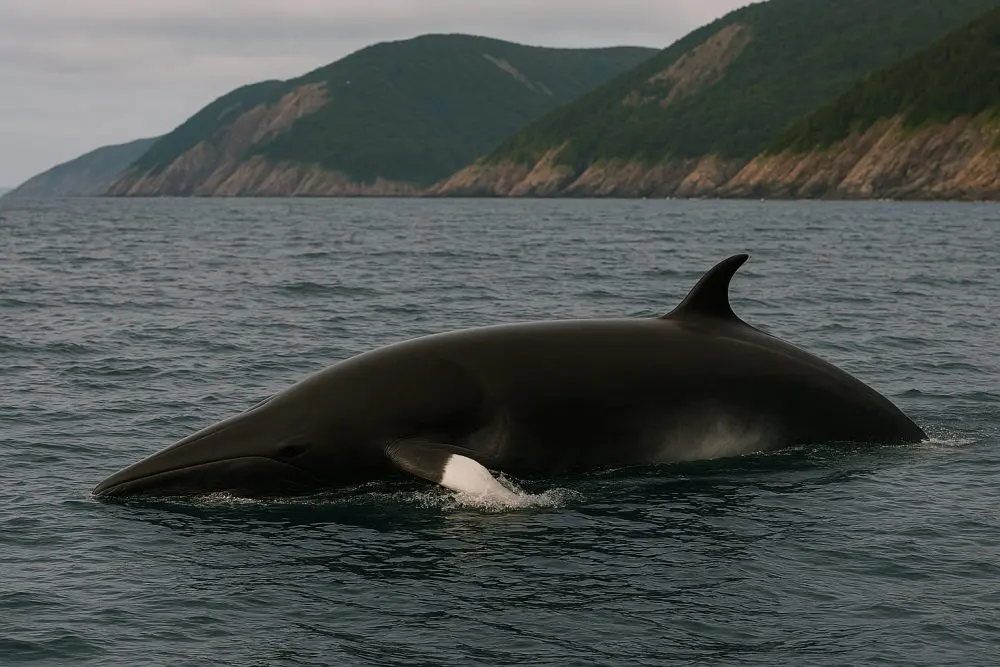
Cape Breton Highlands offers a prime location for minke whale watching, especially during the best season from June to September. During these summer months, minke whales feed on krill, small fish, and plankton.
Quick Facts About Minke Whales:
- Size: Similar to orcas
- Diet: Krill, small fish, plankton
- Habitat: Gulf of St. Lawrence, Newfoundland, Bay of Fundy
Although they tend to avoid boats, minke whales can still be observed from a safe distance. Their presence adds a thrilling element to any whale-watching adventure in the natural habitats of Cape Breton Highlands. Whether you’re a travel expert or a nature enthusiast, witnessing these majestic marine mammals in their natural environment is a remarkable experience. After a day of whale watching, you might enjoy exploring some of Ontario’s ultimate spa and staycation destinations to relax and recharge.
St. Lawrence River: Quebec’s Whaling Paradise
The St. Lawrence Estuary in Quebec is a prime location for whale watching. From May to October, you can spot up to 12 types of whales here, including blue whales, which are the largest animals ever to exist. Tadoussac, at the confluence of the St. Lawrence and Saguenay River, has a resident pod of nearly a thousand beluga whales all year round.

The Saguenay–St. Lawrence Marine Park provides protected waters where visitors can observe these magnificent creatures while supporting conservation efforts through educational programs and responsible tourism.
The Gaspésie Peninsula offers some of the best opportunities to see blue whales, along with fin, humpback, and minke whales. The area is home to the southernmost pod of beluga whales, and sightings of sperm whales have increased since 1991.
List of Commonly Spotted Whales:
- Beluga Whales
- Blue Whales
- Humpback Whales
- Minke Whales
- Fin Whales
- Pilot Whales
Whale Watching Calendar:
| Months | Whales to See |
|---|---|
| May-Oct | Blue, fin, humpback, minke, beluga |
| Year-round | Beluga (Tadoussac’s resident pod) |
Quebec’s St. Lawrence area offers a unique chance to witness these magnificent marine mammals in their natural habitats. If you’re planning to extend your stay in Canada, consider checking out affordable hotel options in Toronto for the next leg of your journey.
Blue and Beluga Whales: A Quebec Adventure
Quebec offers a thrilling opportunity to observe majestic blue and beluga whales. During August and September, blue whales gather near Tadoussac. This makes it a prime spot for seeing these massive creatures up close. The St. Lawrence Estuary is another unique place where belugas and blues share the waters.
For those who love whale watching, the Saguenay-St. Lawrence Marine Park is a must-visit. Here, you can see both blue and beluga whales, with tours often departing from Tadoussac or Les Bergeronnes. Beluga whales are visible from June through September, with a resident pod living in the estuary year-round.
Here’s a quick guide to peak viewing times:
| Whale Type | Best Viewing Months |
|---|---|
| Blue | Late Summer (Aug-Sep) |
| Beluga | June to September |
This mix of marine wildlife offers a remarkable experience. Whether you’re drawn by the size of the blue whales or the playful nature of belugas, Quebec is a top destination. Don’t miss your chance to witness these incredible creatures in their natural habitats. After your whale watching expedition, take some time to support local Canadian businesses by shopping for authentic Canadian products.
Hudson Bay’s Beluga Spectacle in Manitoba
Hudson Bay is a marvel for whale watchers, especially during the summer months. It’s home to around 60,000 beluga whales. Churchill, Manitoba, earns its title as the “beluga capital of the world” due to this impressive summer congregation. These whales, known as the “canaries of the sea” due to their vocal nature, are easily spotted thanks to their striking white color.
Natural Habitat Adventures offers specialized beluga watching expeditions that combine wildlife viewing with cultural experiences, providing visitors with a comprehensive understanding of these fascinating marine mammals and their importance to local communities.
Visitors can enjoy watching belugas from various platforms. Options include beaches, zodiac boats, kayaks, and paddleboards. These activities provide unique perspectives on the whales’ playful nature and family groups, which often consist of 12-20 members.
In summary, the belugas’ migration to Hudson Bay is a must-see phenomenon for anyone interested in marine life. It’s a chance to witness these social, majestic creatures up close. Whether you’re standing on the shore or paddling in the water, the experience is unforgettable.
Viewing Platforms:
- Beaches
- Zodiac boats
- Kayaks
- Paddleboards
From open water to icy edges, the beluga spectacle in Hudson Bay promises an extraordinary encounter with nature. To prepare for your northern adventure, check out top Canadian camping trailers and RVs for comfortable travel options in remote areas.
Arctic Allure: Nunavut’s Narwhals
Nunavut is a magical place where 75% of the world’s narwhals live. Often called the “unicorn of the sea,” the narwhal is known for its long, tusk-like tooth. If you want to see these fascinating creatures, the best time is during the summer months, from July to September. During this time, narwhals often swim closer to the shore.
For authentic Arctic whale watching experiences, Destination Nunavut connects visitors with Inuit-led tours that combine traditional knowledge with respect for these unique marine mammals.

In spring, Lancaster Sound is the place to be. Here, near the floe edge, visitors can go on adventures to see a wide range of marine life, including narwhals. Although narwhals are present throughout the year, they are especially visible in late summer to fall in areas like Lancaster Sound, Pond Inlet, Arctic Bay, and Naujaat.
Best Times and Locations to See Narwhals:
| Time of Year | Location |
|---|---|
| Summer | Close to shore |
| Spring | Lancaster Sound |
In these spots, you can experience the wonder of narwhals in their natural habitats. Come to Nunavut to witness one of the Earth’s most enchanting species. While planning your northern expedition, consider exploring Canadian-made home comfort products to ensure a cozy stay in this remote region.
Bay of Fundy: A Unique Atlantic Experience
The Bay of Fundy is a must-visit for whale enthusiasts. Known for its dramatic tides, this area transforms into a rich feeding ground during the summer months. This attracts a variety of migratory whales.
From June to October, you can spot several types of whales here. These include humpback, finback, minke, and the rare North Atlantic right whales. The nutrient-rich waters make the Bay of Fundy a favorite spot for marine wildlife.
The North Atlantic Marine Mammal Commission (NAMMCO) provides valuable information about the conservation status of various whale species in this region, helping visitors understand the importance of responsible wildlife tourism.
For those eager to start their adventure, the small town of Saint Andrews in New Brunswick is the ideal starting point. It offers a range of whale-watching tours. Options include trips on Zodiacs and larger boats, each enhancing your chance to see these magnificent creatures.
For a family-friendly experience, Jolly Breeze Whale Adventures offers excursions that combine educational elements with the excitement of whale spotting, making it perfect for visitors of all ages.
Whale Species Commonly Seen:
- Humpback Whales
- Finback Whales
- Minke Whales
- North Atlantic Right Whales
These tours provide a fantastic opportunity to observe the largest animals in their natural habitats. With options to fit any traveler’s needs, the Bay of Fundy promises a unique Atlantic experience. Whether you’re a seasoned travel expert or a curious beginner, witnessing whales in the Bay of Fundy is unforgettable. After your maritime adventure, discover top Canadian craft beers to celebrate your whale watching success.
Best Times for Whale Watching in Canada
Whale watching in Canada is a thrilling adventure. The best time to embark on this journey is between April and October. The peak season is from May to September when whale activity is highest. In June to October, humpback whales are often seen along the shorelines. They visit these areas to forage for food.
Blue whales, the largest animals on Earth, are a rare sight. But you have the best chance to see them in British Columbia from June to September. Each region offers unique experiences based on the local species of whales.
Here is a quick guide for whale watching in Canada:
| Time Frame | Best Locations | Whale Species Spotted |
|---|---|---|
| May – October | Across Canada | Various species, including humpbacks |
| June – September | British Columbia | Blue whales |
The summer months, from May to October, are ideal due to the warmer waters, attracting more marine wildlife. This period maximizes your chances to see a variety of types of whales. Whether on the East Coast or West Coast, each location promises an unforgettable marine journey. When planning your trip, consider affordable dining options in Toronto if your whale watching adventure includes a city stopover.
Sustainable Practices for a Responsible Experience
Whale watching in Canada offers an incredible opportunity to experience marine wildlife while practicing eco-friendly methods. Following distance guidelines is crucial. Drones must stay at least 1,000 feet above and 3,000 feet away to avoid disturbing whales.

Using licensed guides is not just recommended but important. They ensure safe navigation and help monitor whale health. Additionally, banning activities like snorkeling with whales aligns with sustainable tourism, minimizing human impact on these majestic animals.
For a more sustainable experience, tours often use kayaks, zodiacs, or larger boats instead of intrusive watercraft. These methods reduce noise and stress on the animals. Moreover, guides and participants play a vital role in conservation. They act as extra eyes on the water, reporting any harmful behavior to wildlife agencies.
By choosing responsible tours, you help protect the natural habitats of various species, from blue and humpback whales to beluga and gray whales. Enjoy the beauty of Canada’s marine life while contributing to its preservation. If you’re interested in other Canadian sustainable practices, explore alternatives to popular U.S. products that support local economies and reduce environmental impact.
What to Wear for a Whale Watching Tour
Going on a whale watching tour? It’s important to dress right for the adventure. Since the water is cooler than land, layers are key. Here’s a quick guide on what to wear:
Layers of Clothing:
- Base Layer: Start with a moisture-wicking shirt.
- Middle Layer: Wear a warm sweater or fleece.
- Outer Layer: A waterproof jacket is a must.
Accessories:
- Hat: Keeps your head warm and the sun out of your eyes.
- Gloves: Essential if you’re in colder areas like Cape Breton Highlands.
Other Essentials:
- Sunscreen: Even on cloudy days, UV rays can be strong.
- Comfortable Shoes: Choose shoes that are easy to move in, especially if kayaking.
Be prepared for any weather changes and tidal conditions. This will ensure you stay comfortable during your marine mammal adventure. Whether you’re spotting humpback whales or killer whales, you’ll be ready for the experience! For stylish yet practical options, check out top Canadian shoe brands that offer durable footwear perfect for outdoor adventures.
Cruise Options: Sunset and Fireworks in Vancouver
Vancouver offers exciting cruise options during the summer months. One popular choice is the Sunset Whale Watching tour, available from June to August. This tour lasts between 3 to 5 hours and gives you a chance to spot marine wildlife like killer whales, humpback whales, and even grey whales.
Here’s a quick breakdown of the Sunset Whale Watching tour:
| Tour Type | Duration | Cost per Adult | Additional Notes |
|---|---|---|---|
| Sunset Whale Watching | 3 to 5 hours | $189 CAD | Seasonal pricing applies |
For those looking for more excitement, the Fireworks & Sunset Cruise is part of Vancouver’s Celebration of Light. This 3-hour journey in July offers stunning sunset views followed by a spectacular fireworks display.
Details of the Fireworks & Sunset Cruise:
- Cruise Duration: 3 hours
- Cost per Adult: $209 CAD
- Additional taxes and fees apply
Both options promise a steady and safe experience on the water, perfect for families. Whether you’re enjoying the natural habitats of many whale species or marveling at the fireworks, these cruises are sure to create lasting memories. To enhance your Vancouver experience, consider exploring Canada’s best streetwear drops for stylish urban fashion during your coastal adventure.
Tips from Fellow Whale-Watching Enthusiasts
Whale watching in Canada is an awe-inspiring experience. Whether on the West Coast near Vancouver Island or the East Coast around Hudson Bay, preparation is key. Dress warmly as it’s colder at sea, and pack a hat, gloves, and sunglasses. Also, bring essentials like suncream, binoculars, and a camera, but be courteous and avoid blocking others with your photography.
Consider these tips for a great outing:
- Warm Clothing: Essential for facing the chilly sea breeze.
- Binoculars: Enhance your view of magnificent species such as blue whales and killer whales.
- Camera: Capture unforgettable moments, but be respectful of others’ views.
Opt for smaller boats, kayaks, or even shore viewing to get up close to species like pilot whales and minke whales. These methods work well where waters deepen near the coast, offering a chance to encounter diverse whale species in their natural habitats.
Tours with local guides offer insights into marine wildlife and contribute to conservation efforts. Don’t forget to bring water and snacks, especially on longer journeys. If you’re on a Zodiac, keeping belongings secure will prevent loss. Enjoy the majestic beauty of the world’s largest animals in their marine wonderland. For more Canadian adventure inspiration, check out the impact of U.S. tariffs on Canadian industry to understand how supporting local tourism benefits the national economy.
Conclusion: Making the Most of Your Canadian Whale Watching Adventure
Canada offers one of the most thrilling whale watching experiences. From March to September, Vancouver Island becomes a hotspot with around 20,000 gray whales migrating along the West Coast. British Columbia is famous for resident orcas, while migratory species pass through from May to October, peaking in July and August.
Newfoundland and Labrador host a rich variety of whale species. Here, you might encounter pilot, fin, humpback, blue, minke, and sperm whales. Organized tours enhance your adventure. Choose from fast-paced Zodiacs to leisurely cruises. Expert naturalists guide many tours, deepening understanding and enjoyment.
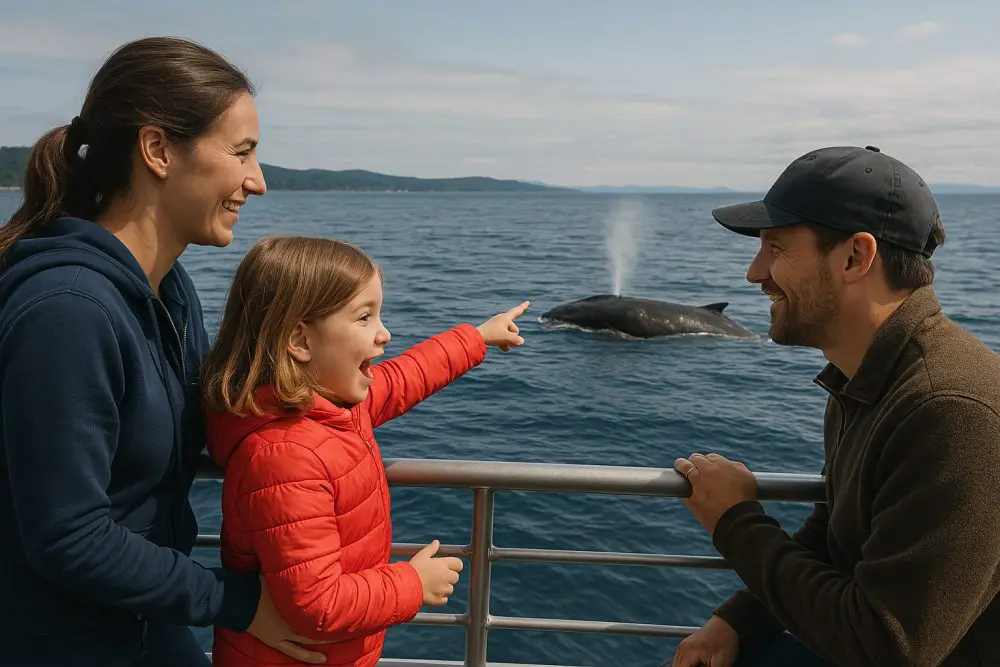
Consider these tips to maximize your experience:
- Best Time: Summer months for peak whale activity.
- Locations: Vancouver Island, Hudson Bay, and the East Coast are top spots.
- Whales & More: Look for toothed whales, baleen whales, and marine wildlife like seals and porpoises.
Whether you’re on a quest to see the world’s largest animals or the friendly white-sided dolphins, Canada’s diverse landscapes promise unforgettable memories. Complete your Canadian adventure by exploring Nanaimo bars and other Canadian desserts that celebrate the country’s culinary heritage.