
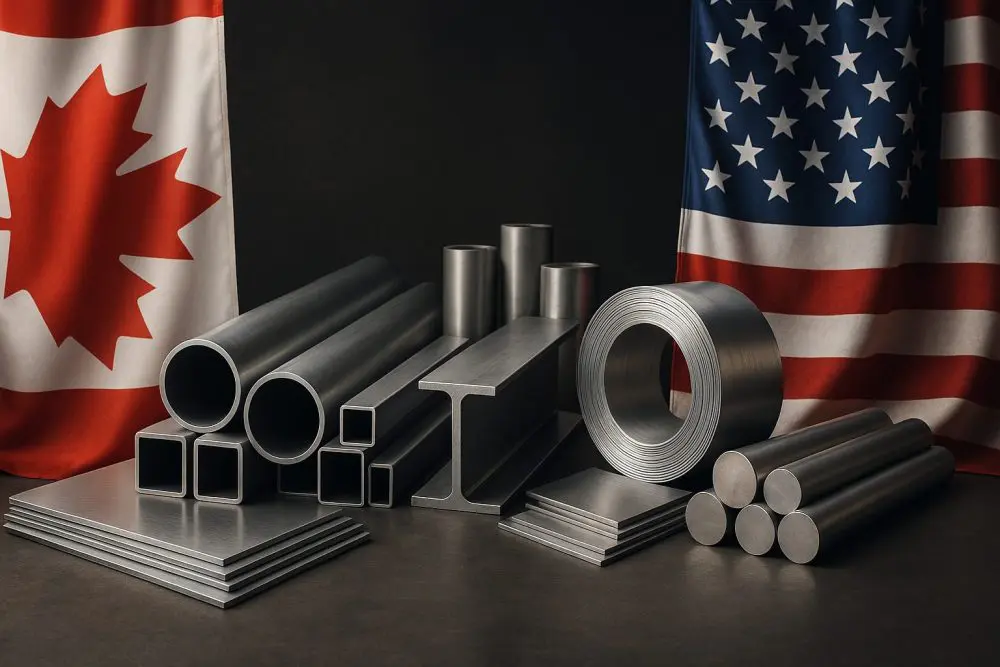
In the convoluted world of international trade, tariffs have emerged as pivotal instruments of economic policy. Recently, U.S. tariffs aimed at Canadian goods have become a cornerstone in the economic discourse, sparking concerns across industries and household tables alike. Understanding these tariffs’ nature and their ripple effects is essential for Canadians navigating this evolving landscape.
Historically, the U.S. and Canada have fostered a robust trading relationship, characterized by mutual benefit and collaboration. However, the imposition of U.S. tariffs has cast a shadow over this alliance, posing significant challenges to Canada’s economy. The far-reaching impact on GDP, inflation, and the competitiveness of Canadian industries in the global market is not just theoretical but palpable in everyday economic indicators.
This article delves into the multifaceted impacts of U.S. tariffs on Canadian industry, dissecting economic repercussions, border trade challenges, and the response from Canadian policymakers. Readers will gain insights into how these tariffs are reshaping the trade environment, the strategic measures Canada is adopting, and what the future might hold for Canadian industries and consumers.
The Nature of US Tariffs on Canada in 2025
Current 25% Steel and Aluminum Tariffs Explained
The United States has imposed tariffs of 25% on Canadian goods citing national security concerns under Section 232 of the Trade Expansion Act of 1962. These tariffs, which took effect on March 12, 2025, apply to raw, semi-processed, and derivative steel and aluminum products from Canada. The renewed U.S. tariff regime reinstates the “full” 25% tariff on steel imports and increases tariffs on aluminum imports from the previous 10% to 25%.
Key reforms in the new tariff structure include withdrawing various exceptions and exemptions previously granted to Canada, expanding the universe of what is considered a derivative product subject to tariffs, applying strict “melted and poured” standards, and cracking down on tariff misclassification and duty evasion schemes. These tariffs make Canadian products more expensive in the U.S. market, making it difficult for Canadian goods to compete with American products.
For some derivative products, the tariff is assessed against the full value of the good, while for other products, the tariff is only applied against the value of the steel or aluminum in the good. Notably, derivative steel products that were processed in Canada from steel or aluminum that was first melted and poured or smelted and cast in the U.S. are excluded from the tariffs.
This move has prompted Canada to consider retaliatory tariffs, creating an ongoing trade dispute between the two nations. Canadian businesses affected by these tariffs can seek remission of surtaxes if it is difficult to source the goods within Canada.
Historical Context of US-Canada Trade Relations
Canada has a history of dealing with trade disputes with the United States since the late 19th century. In 2018, tariffs were implemented by U.S. President Donald Trump, affecting Canadian imports. At that time, the U.S. enacted a 25% tariff on steel imports and a 10% tariff on aluminum imports, though Canada was initially exempted along with several other countries.
The Canada-U.S.-Mexico Agreement (CUSMA) was established to facilitate trade between Canada, the U.S., and Mexico, replacing the North American Free Trade Agreement (NAFTA). Despite this agreement, tariffs can still be imposed for reasons like national security, as demonstrated by the current situation.
Over the years, Canada and the U.S. have maintained a robust trade relationship, with bilateral trade surpassing $1.3 trillion in 2023. Retaliatory actions have been common in response to trade measures. Following the 2025 U.S. tariffs on Canadian steel and aluminum, Canada imposed a 25% tariff on $29.8 billion of U.S. goods, effective March 13, 2025. This historical trend shows a pattern of economic tension and cooperation between these neighboring countries.
Economic Repercussions for Canada
The impact of U.S. tariffs on Canadian goods cannot be ignored, as they are expected to increase the operational costs of Canadian businesses involved in cross-border trade. These tariffs disrupt trade relationships between Canada and the U.S., changing the competitive landscape for Canadian products in the American market.

In response, Canada has implemented retaliatory tariffs, leading to increased costs for both Canadian businesses and consumers. A mechanism exists for Canadian businesses to request tariff remission, especially when inputs cannot be sourced reasonably from non-U.S. providers.
This overall tariff imposition is predicted to have significant economic consequences for Canadian businesses. Broader economic impacts may also affect consumer prices if added costs shift to consumers. For Canadian companies, this situation calls for strategic planning and adaptability as they navigate these economic challenges.
Impact on Canadian GDP
The U.S. tariffs have significantly impacted Canada’s GDP growth. The Bank of Canada projected scenarios where mutual 25% tariffs could lead to a 2.4% decline in GDP in the first year and a 1.5% decline in the next. By the third year, GDP growth would roughly return to normal, though the level of GDP would remain permanently lower due to the distortionary effects of tariffs.
The reduced demand for exports, combined with a global economic slowdown that lowers commodity prices, has exacerbated this decline. Furthermore, the imposition of tariffs has led to reduced business investment, affecting overall economic health. Canadian business investment declines significantly due to a combination of weaker export activity and an increase in the cost of imported investment goods from the United States.
The cost of machinery and equipment imported from the United States rises in response to Canada’s retaliatory tariffs and the depreciation of the Canadian dollar. Since imports from the United States comprise about half of overall business investment in machinery and equipment in Canada, this has a substantial impact on capital formation.
The broad-based slowdown caused by tariffs is a major factor in the reduction of Canadian GDP growth, with long-term implications. These conditions necessitate a reevaluation of trade policies to cushion against further economic downturn.
Effect on Inflation Rates
The implementation of tariffs is likely to raise Canada’s inflation rate. Companies often pass increased costs onto consumers, leading to higher prices for imported goods. The Bank of Canada highlights that tariffs are especially disruptive when substitutes exist but cannot be produced easily due to capacity constraints.
With reduced competitiveness of Canadian exports, overall demand drops, further impacting inflation. How much these costs transfer to consumer prices influences the inflation impact, and different GDP growth outcomes align with varying pass-through rates.
Canada’s retaliatory tariffs on all goods imported from the United States have both direct and indirect impacts on consumer prices. Imports from the United States of final consumer goods and intermediate inputs used to produce final goods make up about 13% of the CPI basket in Canada. Prices paid by consumer-oriented businesses for other production inputs, such as equipment and machinery, also increase in response to tariffs.
Additionally, the depreciation of the Canadian dollar due to tariffs can make imported goods costlier, compounding inflation challenges. Together with the depreciation of the Canadian dollar, these direct and indirect pass-through effects more than offset the drag from excess supply and lower commodity prices, leading to an increase in CPI inflation.
Competitiveness in the Global Market
U.S. tariffs on steel and aluminum imports from Canada raise raw material costs, challenging Canadian manufacturing’s global competitiveness. Canada’s critical mineral supply, vital for exporting resources like cobalt and lithium, faces potential hindrance by U.S. tariffs. As a result, the country’s competitive edge could be compromised.
Tariffs on Canadian agricultural products may increase supply chain costs and disrupt the integrated North American market. To counteract, Canada’s retaliatory tariffs on American goods might push businesses to source domestically or internationally, thereby diversifying supply chains.
Canadian industries’ adaptability in finding new markets or optimizing production will determine their resilience and long-term competitiveness. Despite obstacles, innovation remains crucial for maintaining Canada’s standing in global trade.
Border Security and Trade Challenges
The imposition of U.S. tariffs and heightened border security measures pose significant challenges for Canadian businesses. With tariffs in place, Canadian goods are becoming less competitive in the U.S. market. These changes add operational costs for Canadian exporters and disrupt supply chains.
For industries relying on cross-border trade for raw materials, this interruption can be particularly damaging. The tight economic ties between the U.S. and Canada mean that these tariffs could slow economic growth and affect jobs and GDP in both countries. Additionally, supply chain disruptions could impact international trade flows, leading to global ramifications.
Increased Border Security Measures
Increased border security has been emphasized through U.S. presidential orders, focusing on preventing illegal immigration and smuggling. This affects cross-border trade by increasing the time and cost of moving goods. Canadian businesses, even those not directly impacted by tariffs, are advised to prepare for such challenges.
Changes in border security could prompt Canadian companies to rethink their supply chain strategies. The Canadian economy might undergo significant changes due to these measures. The combination of U.S. tariffs and Canadian surtax could further complicate the trading environment.
Delays and Process Complications
Tariff impositions often bring new importation procedures, slowing down border crossings. This results in delays, which can place additional pressure on retailers to cover higher costs through price increases. There is also a risk of greedflation, where companies might raise prices on untariffed products to boost profits.
To counter these issues, changes in consumer habits and the use of reserves might lessen shortages. The U.S. postponed tariffs on Canadian and Mexican imports for 30 days to negotiate solutions to these complications. This period aims to ease procedural issues and enhance trade relationships.
Effects on Canadian Businesses
The imposition of U.S. tariffs on Canadian goods presents several challenges for Canadian businesses. These tariffs increase costs, making it difficult for Canadian companies to compete in the U.S. market. These increased costs can result in reduced profit margins and, in some cases, a loss of market share.
Despite agreements like CUSMA, tariffs can still be applied due to concerns like national security. Businesses need to assess these tariffs’ impacts on operations and develop strategies to minimize financial risks. The ongoing trade conflict poses a significant risk to Canada’s economic growth and stability.
Cost Increases for Exporters
When the U.S. imposes tariffs on Canadian exports, it leads to increased expenses for Canadian companies. This increase makes Canadian goods more expensive and less appealing to U.S. consumers. As a result, there can be a decrease in demand, causing Canadian firms to lose market share.
Moreover, profit margins shrink as businesses absorb higher costs or reduce prices to remain competitive. To navigate these challenges, Canadian exporters may need to consider relocating production or finding new markets. These changes are tough due to the strong economic ties between Canada and the U.S.
Supply Chain Disruptions

U.S. tariffs on Canadian goods can create significant disruptions in supply chains. These disruptions can lead to increased costs and potential shortages of products. When businesses face these challenges, they may need to reconsider where they source their materials.
For Canadian companies, this might mean looking for suppliers in other countries or within Canada. These changes can affect trade volumes and complicate planning and investment decisions. Supply chain uncertainties also impact pricing strategies and can disrupt the economic relationship between Canada and the U.S., causing long-term issues.
Diversification of Export Markets
To reduce reliance on the U.S. and mitigate risks from tariffs, Canadian businesses are encouraged to diversify their export markets. This strategy involves exploring new trade relationships and complying with different regulations, which requires time and investment.
Some provinces, like Prince Edward Island, are helping businesses by increasing trade missions and targeting new regions like Europe, Southeast Asia, and the Caribbean. Additionally, financial assistance programs are available to help companies diversify.
Although challenging during economic uncertainties, these efforts can promote growth and provide stability for Canadian businesses in the long run. The Comprehensive Economic and Trade Agreement (CETA) with the European Union and the Comprehensive and Progressive Agreement for Trans-Pacific Partnership (CPTPP) provide Canadian companies with preferential access to diverse global markets.
Consumer Impact in Canada
The introduction of tariffs between the United States and Canada is creating a noticeable impact on Canadian consumers. As these tariffs take hold, households may find themselves paying more for both Canadian and American products. This rise in prices affects affordability and could make everyday goods less accessible.
Tariffs also have the potential to disrupt supply chains. This is particularly true for industries that rely on critical minerals and agri-food products. As shortages occur, prices might climb even higher. Some Canadians have started stockpiling, worried about future price spikes or shortages. This behavior can worsen supply issues. Additionally, intense media coverage could lead to panic buying, further straining the market.
Changes in Consumer Prices

Tariffs are reshaping the landscape of consumer prices both in Canada and the United States. When the U.S. imposes tariffs on Canadian goods, these products become more expensive in American markets. This makes them less competitive. On the flip side, Canadian surtaxes on American imports raise the cost of U.S. goods in Canadian stores.
Therefore, Canadian businesses importing these goods face steeper costs. This often results in higher consumer prices as businesses pass on these expenses to shoppers. Supply chain disruptions due to tariffs further escalate production costs.
In sectors like the automotive industry, these challenges are pronounced. Automakers must deal with increased tariffs and surtaxes, leading to elevated production costs and, subsequently, higher prices for consumers. For example, parts and components of motor vehicles cross the Canada-US border several times during production. If these components are taxed each time, it amplifies the increase in production costs and increases the prices paid by consumers on both sides of the border.
Public Perception and Concerns
The public has been vocal about the concerns surrounding the new wave of tariffs, especially those justified by the U.S. on grounds of national security. Many believe these tariffs disrupt trade, even under agreements like CUSMA. The idea that national security could justify such economic measures has met with skepticism.
Furthermore, the Canadian government’s retaliatory move, which includes a hefty 25% tariff on $29.8 billion worth of American goods, showcases a firm stance to defend its interests. Canadian sentiment captures the strain these tariffs place on the economy, as they not only push consumer prices higher but also limit the availability of certain goods.
Amid these tensions, there is a growing conversation around the importance of supporting domestic products. This shift is partly a strategic push to bolster Canadian industries and reduce dependence on imports during times of trade conflict. Consumers are increasingly looking for ways to support local businesses and find Canadian alternatives to U.S. products.
Government and Policy Responses
The imposition of US tariffs has prompted the Canadian government to take decisive action. To address these tariffs, Canada has implemented a set of strategies focused on economic resilience. The government’s approach includes instituting reciprocal tariffs on US goods, especially in sectors like steel and aluminum.
Additionally, Canada has launched a remission process. This allows importers to apply for relief from surtax payments when tariffs harm their business operations. Another response is from the Canada-U.S.-Mexico Agreement, which allows tariffs when national security concerns arise.
The Canadian government has continuously sought ways to mitigate these economic impacts by providing financial support to businesses and ensuring the flow of trade within the country. These measures aim to protect Canadian industries and maintain economic stability during this challenging period.
Federal Relief Measures Introduced
In light of trade uncertainties with the United States, the Canadian government has rolled out substantial federal relief measures. A key component of this is the remission process, which helps businesses avoid certain tariff payments or obtain refunds. Such relief is especially prioritized when domestic sourcing of goods is not feasible, or alternative suppliers outside the US are lacking.
Additionally, the government committed $6.5 billion to bolster businesses during this challenging period. Notably, the Export Development Canada‘s $5-billion Trade Impact Program plays a significant role in this effort. These initiatives are coordinated with provinces and partners to shield Canadian businesses from adverse effects, ensuring economic stability in the face of tariff-related pressures.
Provincial Responses and Support
Several Canadian provinces have taken strong stances against US tariffs, showcasing their disapproval through economic measures. Nova Scotia, under Premier Tim Houston, decided to remove American liquor from stores and plans to end contracts with US businesses.
Ontario, led by Premier Doug Ford, has taken similar steps. Actions include excluding American products from its liquor catalog and ending procurement contracts with American firms. Ford also introduced a 25% levy on electricity exports to Michigan, Minnesota, and New York, though it was rolled back after discussions with US representatives.
Meanwhile, Quebec’s Premier François Legault has stopped the sale of American alcoholic beverages and added penalties to public tenders involving US companies. These provincial moves symbolize a unified stand against perceived trade wrongdoings, reflecting the broader Canadian strategy to challenge unfair trade policies.
Role of Free Trade Agreements
Free Trade Agreements (FTAs) play a crucial role in shaping Canada’s trade strategies, especially amidst US tariff challenges. By engaging in agreements with over 50 countries, Canada secures preferential access to a massive consumer market.
Significant deals like the Comprehensive Economic and Trade Agreement (CETA) with the European Union and the Comprehensive and Progressive Agreement for Trans-Pacific Partnership (CPTPP) ensure expanded reach. Although not all tariffs are eliminated, these agreements often lead to reduced duties, offering Canadian companies more predictable markets.
Importantly, FTAs also encourage market diversification, reducing heavy reliance on the United States and opening doors to alternate global business opportunities. This strategy not only safeguards the Canadian economy but also promotes sustainable growth.
Retaliatory Tariffs by Canada
Canadian industries are facing heightened challenges as the government responds to U.S. tariffs. On March 13, 2025, Canada implemented a 25% surtax on U.S. goods valued at $29.8 billion. This action is intended to protect Canadian industries and maintain economic balance.
In response to U.S. tariffs on Canadian steel and aluminum, Canada announced these countermeasures targeting various U.S. goods. These counter-tariffs are designed to foster a level playing field. Moreover, Canada is considering further measures, potentially up to $125 billion, to counter ongoing U.S. trade policies.
This situation illustrates the complexity of global trade relationships. Not only is Canada dealing with U.S. tariffs, but it is also affected by China’s retaliatory tariffs on Canadian food exports. The Canadian government continues to monitor the situation and adjust its response as needed to protect Canadian interests.
Description and Impact on U.S. Goods
The ongoing trade conflict has led to increased prices for U.S. goods in the Canadian market due to the Canadian surtaxes. Canada imposed a 25% surtax, affecting $29.8 billion worth of U.S. products. This measure is intended to protect its industries and workers.
American goods are now more expensive for Canadian businesses, which impacts importers and heightens operational costs. This change affects businesses that rely on U.S. imports, complicating supply chains and making it difficult for them to maintain competitive pricing.
Moreover, Canadian businesses find themselves at risk of losing market share and competitiveness in the U.S. due to inflated costs of their exports. Both countries are facing repercussions that could affect economic growth and stability, complicating trade and financial outlooks.
Effects on Canadian Economy
The tariffs imposed by the U.S. are causing disruptions in the Canadian economy. As costs rise for exporting Canadian goods to the U.S., businesses encounter a loss in competitiveness. Canadian products are becoming pricier in the American market.
This price hike leads to decreased demand and reduced market share for Canadian exports, prompting businesses to rethink their U.S. strategies. Additionally, Canadian importers face higher operational costs due to U.S. tariffs and domestic surtaxes.
These increased costs shrink profit margins and reduce financial flexibility, complicating efforts to reinvest or expand. As businesses pass these additional expenses onto consumers, Canada could experience inflationary pressures. This economic strain could challenge Canada’s ability to maintain steady growth, affecting both businesses and consumers.
Long-term Economic Strategies
The introduction of U.S. tariffs has compelled Canadian businesses to rethink their economic strategies. These tariffs can have a lasting impact on the Canadian economy, prompting the need for innovative solutions. Canadian companies must consider finding new markets and reducing dependence on the United States to manage these changes.
By understanding supply chain risks and opportunities, businesses can better adapt to the shifting economic landscape. It’s important for Canadian industries to implement cost-saving measures and use duty drawback programs to tackle long-term financial challenges. The future of Canadian companies hinges on their resilience and adaptability in responding to both U.S. tariffs and Canada’s countermeasures.
Market Diversification Strategies
Market diversification is crucial for Canadian businesses facing U.S. tariffs. This strategy involves seeking new trade relationships and reducing reliance on America. However, it requires significant investment in marketing and building new networks.
Understanding the regulatory environments of new markets is also critical. While diversification can be a long-term solution, it poses challenges, especially for small businesses with limited resources. Canadian companies need to be proactive in exploring global markets for new opportunities.
Additionally, they must stay informed about international trade policy changes and explore strategies to mitigate tariffs. These efforts ensure Canadian businesses can thrive despite trade tensions. The Comprehensive Economic and Trade Agreement (CETA) with the European Union and the Comprehensive and Progressive Agreement for Trans-Pacific Partnership (CPTPP) provide valuable frameworks for this diversification.
Enhancing Domestic Trade
Boosting domestic trade is another vital strategy for Canada in response to U.S. tariffs. Reducing interprovincial trade barriers can enhance the flow of goods and services within the country. New Brunswick, for instance, is committed to expanding interprovincial trade and promoting local consumption.
Initiatives like the New Brunswick Made campaign help strengthen domestic growth drivers. By enhancing domestic trade, Canadian industries can buffer against international disruptions. Collaboration between provinces to expand domestic trade is key in fostering a strong internal market.
These steps not only aid economic growth but also reduce reliance on international trade, providing long-term stability. Supporting Canadian-made products becomes increasingly important in this context, as it helps build a more resilient domestic economy.
Sectors Most Affected by Tariffs
U.S. tariffs have a broad impact on several Canadian sectors, especially those reliant on exports to the United States. These tariffs raise costs and reduce competitiveness, affecting industries with complicated supply chains. The effects are significant because products often cross the border multiple times before completion.
Resource processing sectors are particularly vulnerable due to raw material tariffs, which could potentially decrease export volumes and increase job losses. The persistent imposition of these tariffs increases the risk of economic strain, affecting everything from regional employment to national budget allocations.
Manufacturing Industry
The manufacturing sector in Canada faces significant challenges due to U.S. tariffs. Industries like automotive, electronics, and furniture manufacturing are particularly affected due to their integrated supply chains and reliance on cross-border trade.
Automotive Sector

The automotive industry is one of the hardest hit by tariffs due to its highly integrated North American supply chain. Parts and components often cross the Canada-U.S. border multiple times during production, with each crossing potentially subject to tariffs. This multiplies the cost impact, making Canadian-assembled vehicles more expensive and less competitive.
Major Canadian auto manufacturers have reported increased production costs and are considering adjustments to their supply chains. Some companies are exploring options to source more components domestically or from countries not affected by tariffs. The sector is also investing in automation and efficiency improvements to offset increased costs.
Electronics Manufacturing
The electronics manufacturing sector is experiencing similar challenges. Canadian electronics brands that source components from the U.S. face higher input costs, while those exporting finished products to the U.S. market face reduced competitiveness due to tariffs.
Companies in this sector are responding by diversifying their supply chains and exploring new export markets. Some manufacturers are accelerating their shift toward higher-value products where price competition is less intense. The sector is also investing in research and development to maintain a technological edge despite the tariff challenges.
Furniture Manufacturing
Canadian furniture manufacturers are also feeling the impact of tariffs, particularly those that use American-sourced materials or export finished products to the U.S. market. The industry has seen increased costs for raw materials like hardwoods, metal components, and upholstery fabrics sourced from the United States.
In response, many furniture makers are emphasizing their “Made in Canada” credentials to appeal to domestic consumers. Some are also exploring European and Asian markets where Canadian design is valued. The sector is working to increase efficiency and reduce waste to maintain competitive pricing despite the tariff pressures.
Steel and Aluminum Industries
The steel and aluminum industries are at the epicenter of the current tariff dispute. Canadian steel producers face a 25% tariff on exports to the U.S., their largest market. This has led to reduced export volumes and increased pressure to find alternative markets.
Canadian aluminum producers face similar challenges. The industry, which is concentrated in Quebec and benefits from low-cost hydroelectric power, has seen its competitive advantage in the U.S. market significantly eroded by tariffs. Some producers are exploring value-added processing to create products that may be exempt from tariffs or subject to lower rates.
Both industries are working closely with the Canadian government to secure support and develop strategies for long-term sustainability. This includes investments in technology to reduce production costs and environmental impacts, as well as efforts to develop new applications for Canadian steel and aluminum in domestic infrastructure projects.
Agricultural Sector
The agricultural sector faces complex challenges from tariffs. While direct tariffs on Canadian agricultural exports vary by product, the sector is also affected by retaliatory Canadian tariffs on U.S. agricultural inputs like fertilizers, pesticides, and machinery.
Canadian farmers are experiencing higher input costs while simultaneously facing potential market access issues for their exports. The dairy, meat, and grain subsectors are particularly vulnerable to trade disruptions. Some agricultural producers are exploring new markets in Asia and Europe, leveraging Canada’s reputation for high-quality, safe food products.
The sector is also investing in technology and sustainable practices to improve productivity and reduce dependence on imported inputs. Government programs supporting agricultural innovation and market development have become increasingly important in helping the sector adapt to the new trade reality.
Conclusion
The impact of U.S. tariffs on Canadian industry represents a significant challenge to Canada’s economic landscape. The 25% tariffs on steel and aluminum, implemented on March 12, 2025, have far-reaching consequences across multiple sectors of the Canadian economy. From manufacturing to agriculture, businesses are grappling with increased costs, reduced competitiveness, and disrupted supply chains.
Canada’s response, including retaliatory tariffs on $29.8 billion worth of U.S. goods, demonstrates the government’s commitment to protecting Canadian industries. However, these measures also contribute to a complex trade environment that affects businesses and consumers on both sides of the border.
The economic data is concerning, with the Bank of Canada projecting a potential 2.4% decline in GDP in the first year following the implementation of tariffs. Inflation pressures, reduced business investment, and supply chain disruptions further compound these challenges.
Yet, within this challenging environment, opportunities for adaptation and growth emerge. Canadian businesses are diversifying their export markets, strengthening domestic supply chains, and innovating to maintain competitiveness. Government support at both federal and provincial levels provides some cushioning against the immediate impacts.
For Canadian consumers and businesses, staying informed about these developments is crucial. Understanding the nature of tariffs, their economic implications, and available support mechanisms can help in navigating this evolving trade landscape. While the short-term outlook presents challenges, Canada’s economic resilience and adaptability suggest that, with strategic planning and support, industries can weather this storm and potentially emerge stronger and more diversified.
As this situation continues to evolve, Canadians should remain attentive to policy developments, market trends, and opportunities to support domestic industries. By doing so, they can contribute to a more resilient Canadian economy that is better positioned to thrive in an increasingly complex global trade environment.
Frequently Asked Questions
What exactly are the current U.S. tariffs on Canadian goods?
As of March 12, 2025, the United States has imposed 25% tariffs on Canadian steel and aluminum products, including raw, semi-processed, and derivative products. These tariffs were implemented under Section 232 of the Trade Expansion Act of 1962, citing national security concerns.
How has Canada responded to these tariffs?
Canada has implemented retaliatory measures, including 25% tariffs on $29.8 billion worth of U.S. imports, effective March 13, 2025. These countermeasures target a wide range of U.S. goods, including steel, aluminum, and various consumer products. Provincial governments have also taken actions, such as removing American products from liquor stores and adding penalties to public tenders involving U.S. companies.
How will these tariffs affect Canadian consumers?
Canadian consumers are likely to see price increases on both U.S.-imported goods (due to Canadian retaliatory tariffs) and certain Canadian-made products that use U.S. inputs. Industries with integrated supply chains, like automotive manufacturing, may see more significant price increases as tariffs compound through multiple border crossings of components.
What industries are most affected by these tariffs?
The manufacturing sector, particularly automotive, electronics, and furniture manufacturing, is heavily impacted due to integrated supply chains. The steel and aluminum industries are at the epicenter of the dispute. Agricultural producers are affected by both direct tariffs and increased costs for U.S.-sourced inputs like fertilizers and machinery.
What can Canadian businesses do to mitigate the impact of these tariffs?
Businesses can explore market diversification to reduce dependence on the U.S. market, strengthen domestic supply chains, apply for tariff remission when appropriate, leverage free trade agreements with other countries, and invest in efficiency improvements to offset increased costs. Government support programs, such as Export Development Canada’s Trade Impact Program, can also provide assistance.
How long are these tariffs expected to remain in place?
The duration of these tariffs is uncertain. Canada’s countermeasures are stated to “remain in place until the U.S. eliminates its tariffs against Canadian steel and aluminum products.” The situation depends on ongoing diplomatic negotiations and potential changes in U.S. trade policy.
What is the “melted and poured” standard mentioned in relation to these tariffs?
The “melted and poured” standard refers to rules determining the origin of steel products. Under current U.S. policy, derivative steel products processed in Canada from steel that was first melted and poured in the U.S. are excluded from the tariffs. This creates a specific exemption for certain products in the integrated North American supply chain.
How will these tariffs affect Canada’s GDP?
According to Bank of Canada projections, the tariffs could reduce Canadian GDP growth by approximately 2.4 percentage points in the first year and 1.5 percentage points in the second year. While growth is expected to return to normal by the third year, the level of GDP would remain permanently lower due to the distortionary effects of tariffs.
Are there any exemptions to these tariffs?
Yes, derivative steel products that were processed in Canada from steel or aluminum that was first melted and poured or smelted and cast in the U.S. are excluded from the tariffs. Additionally, Canadian businesses can apply for tariff remission when domestic sourcing of goods is not feasible or alternative suppliers outside the U.S. are lacking.
How do these tariffs affect the Canada-U.S.-Mexico Agreement (CUSMA)?
While CUSMA generally promotes free trade between the three countries, it still allows for tariffs under certain conditions, such as national security concerns. The current tariffs operate within this framework, demonstrating that free trade agreements do not completely eliminate the possibility of tariffs between partner countries.